Oil Production Line
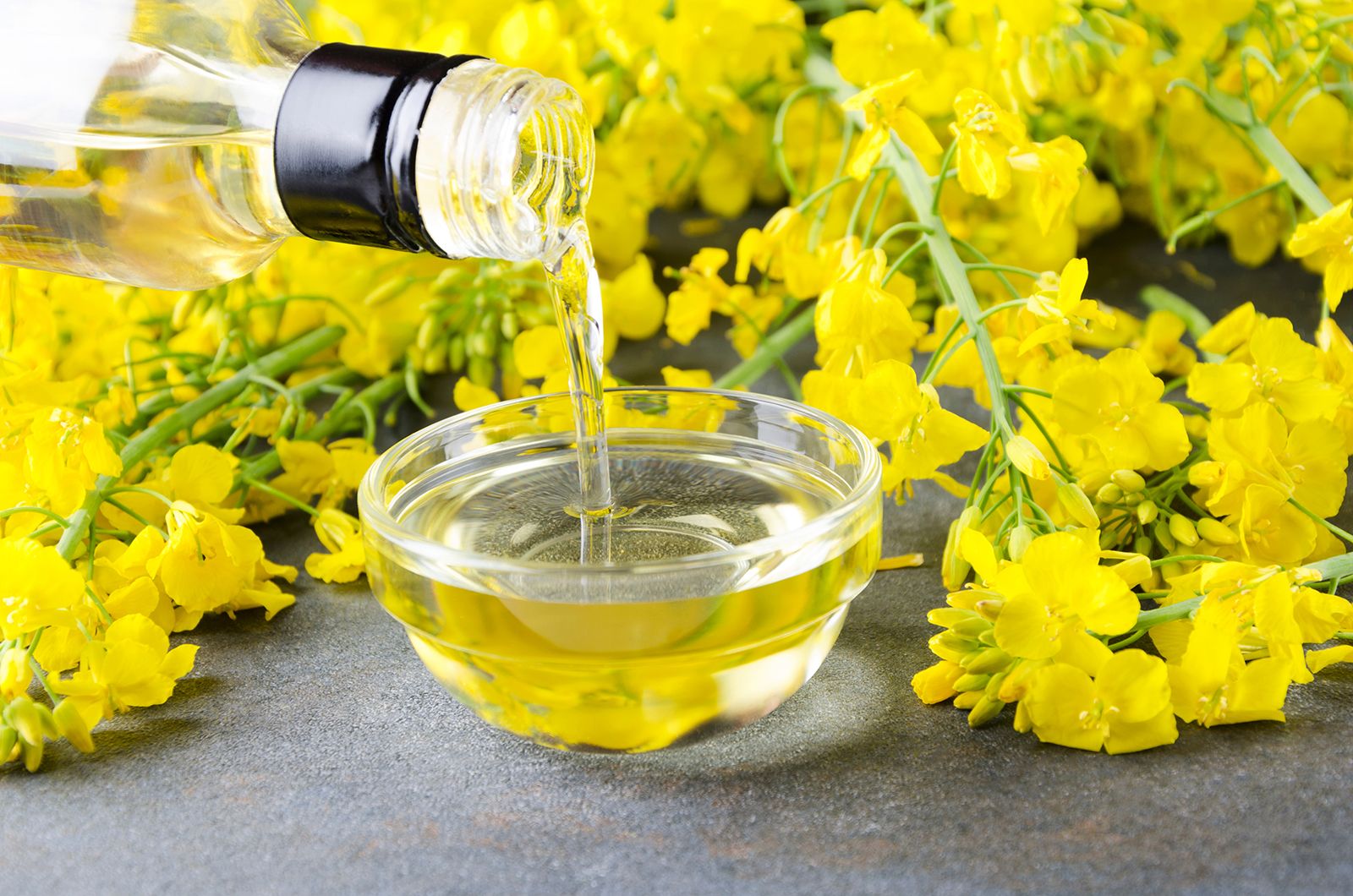
This article introduces the cold-pressed virgin oil production line, which consists of four steps: crushing, steaming and frying, pressing and filtering. It retains nutrients at low temperatures and is suitable for raw materials such as avocados and olive
Cold-pressed oils are widely used in cosmetics and personal care products, such as skincare and haircare items. Due to their higher market value compared to standard cooking oils, they are a popular choice for small-scale producers; beyond their topical benefits for hair and skin, cold-pressed oils—when extracted at low temperatures—retain micronutrients that are beneficial to human health.
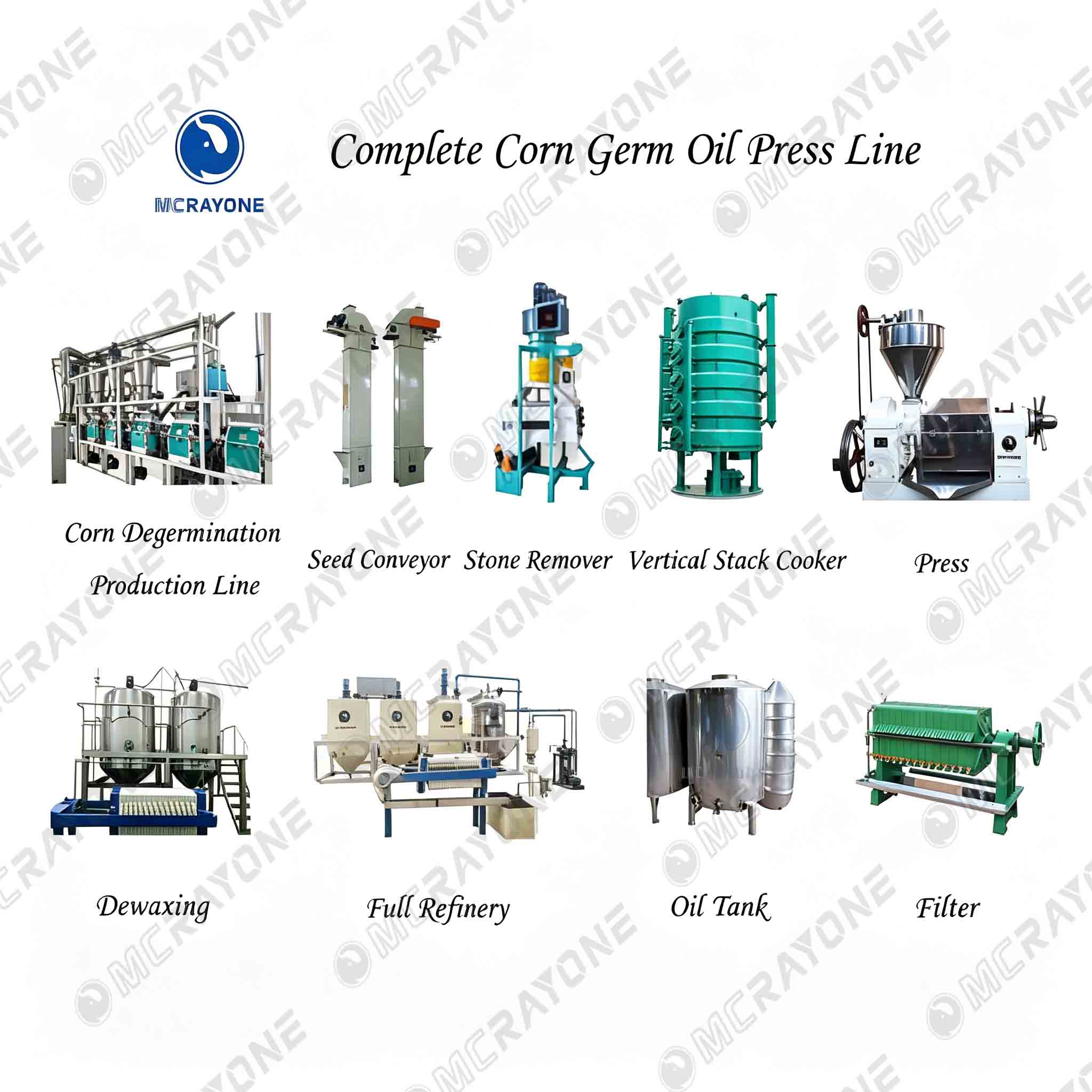
To support this type of small-scale virgin oil production, we have designed a versatile system suitable for most operational environments, comprising four key production stages.
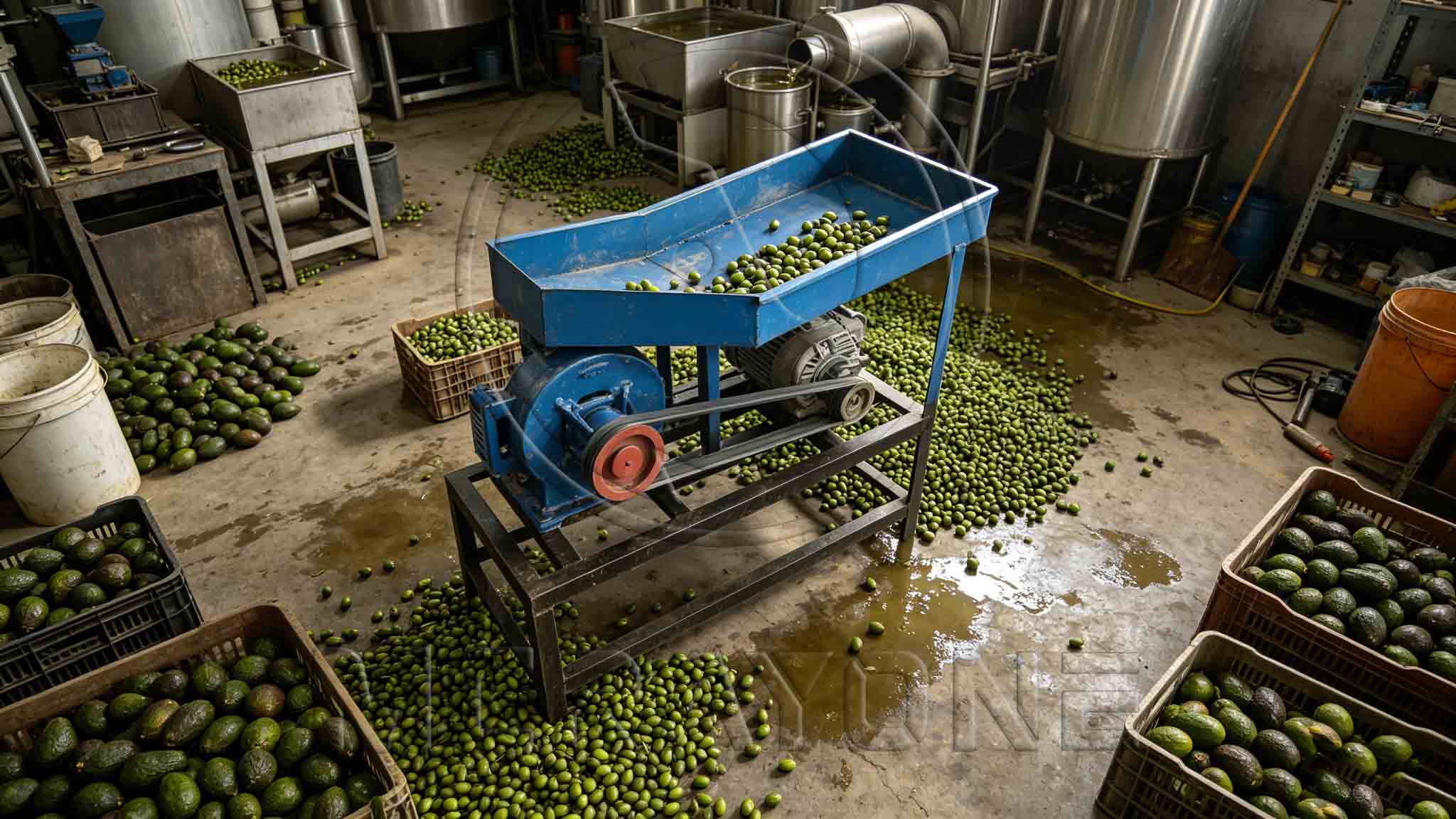
Step 1: Crushing
Raw materials are fed into a crusher and ground into uniform particles. This process breaks down cell wall structures, preparing the material for subsequent steaming and conditioning. Particle size directly affects oil yield; therefore, screens must be replaced regularly to ensure consistency.
Step 2: Steaming
The crushed material enters a vertical steamer-cooker, where it is heated using saturated steam and maintained at a constant temperature for 20–30 minutes. This step denatures proteins and reduces oil viscosity while adjusting moisture content, bringing the material to the optimal "dry-outside, moist-inside" state required for pressing.
Step 3: Pressing
A hydraulic press applies downward pressure at a controlled, steady rate. This method prevents excessive temperature rise within the pressing chamber, thereby maximizing the retention of the material's natural components.
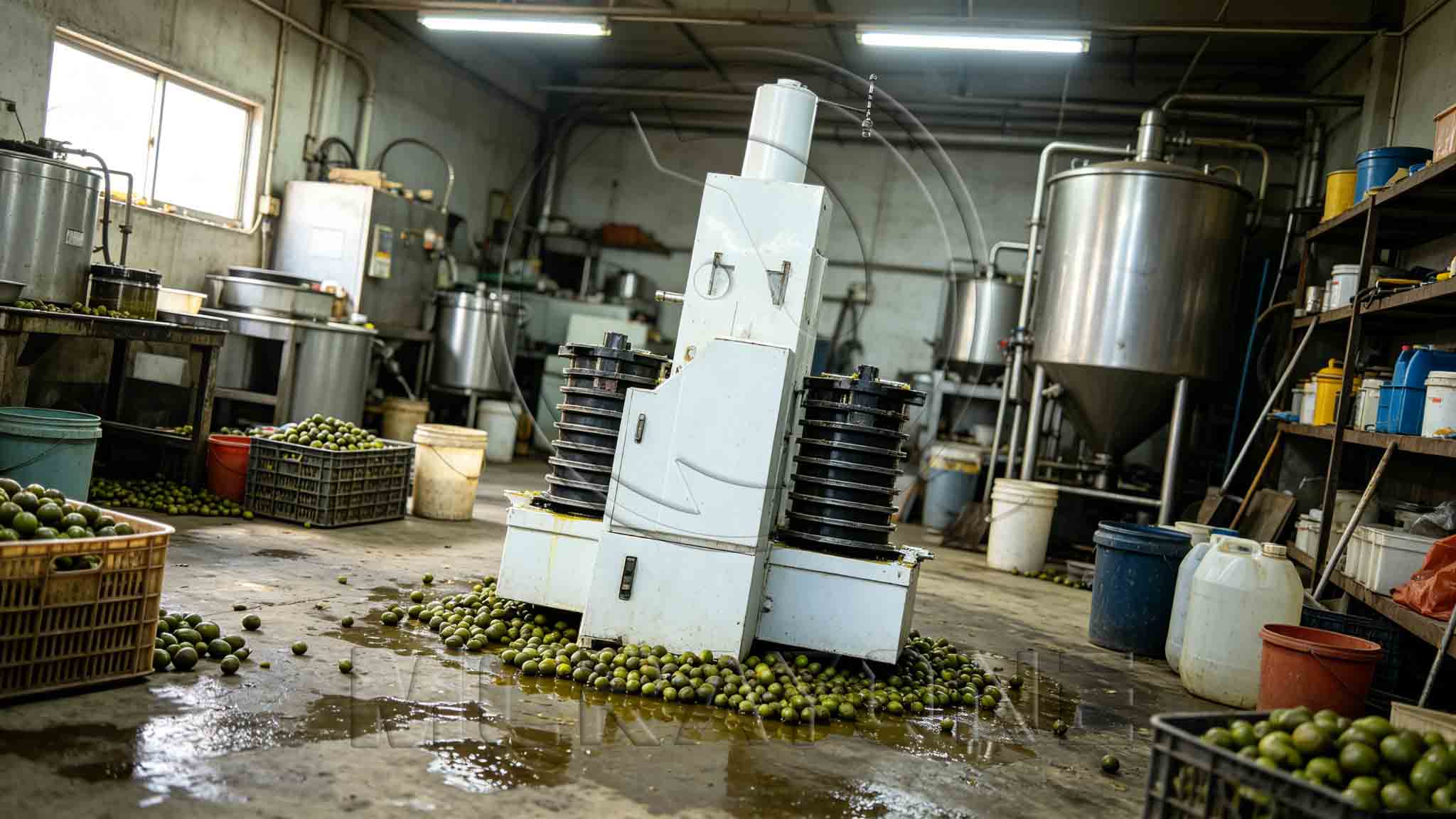
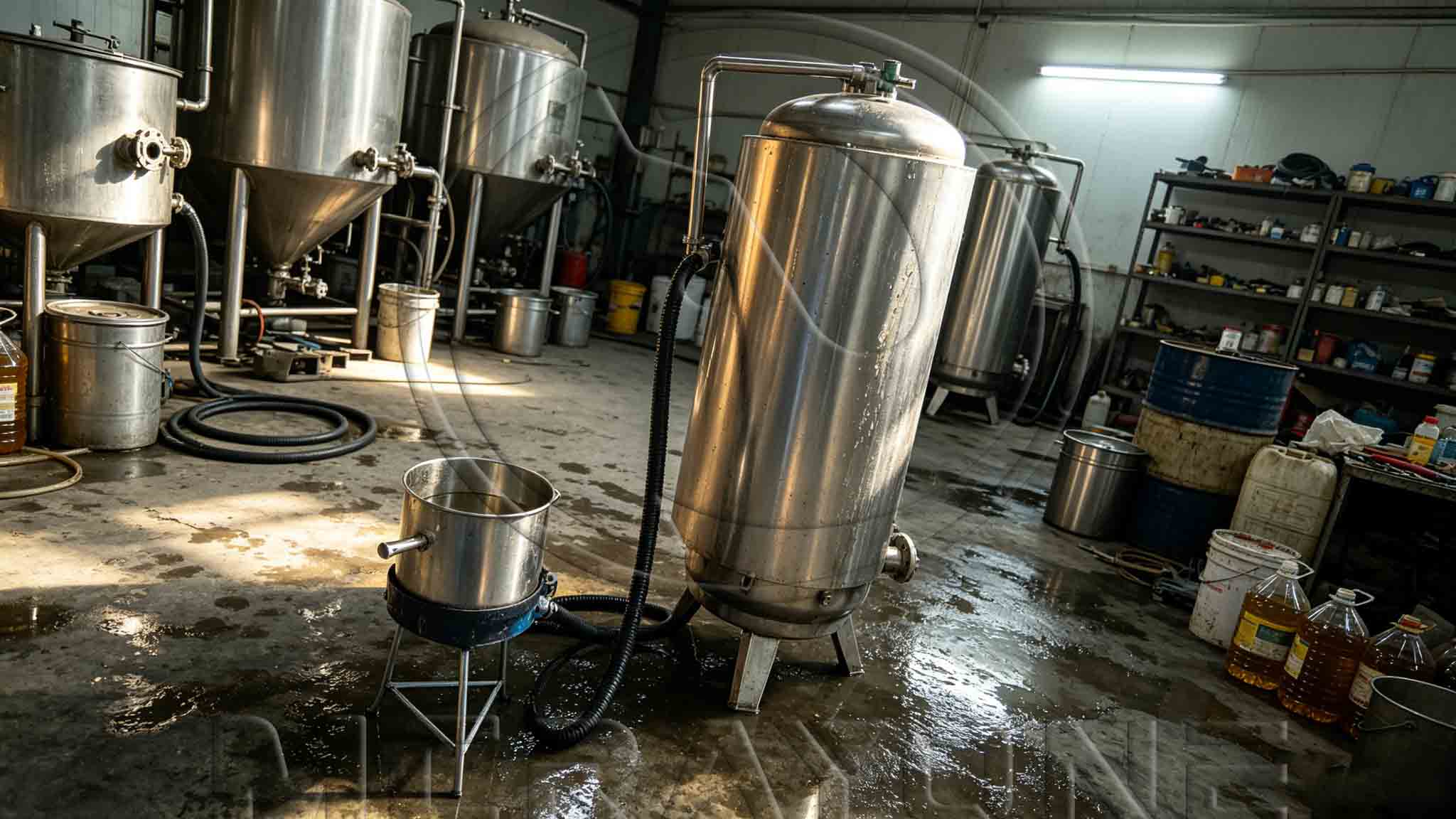
Step 4: Filtration
Crude oil undergoes circulation filtration in a plate-and-frame filter press to remove suspended oil cake particles and colloidal impurities. Subsequently, the filtered oil is pumped into a settling tank to rest for 12–24 hours, ultimately yielding a clear, bright virgin oil.
This low-temperature hydraulic production line is suitable for most raw materials with an oil content exceeding 15%, such as avocados and olives.
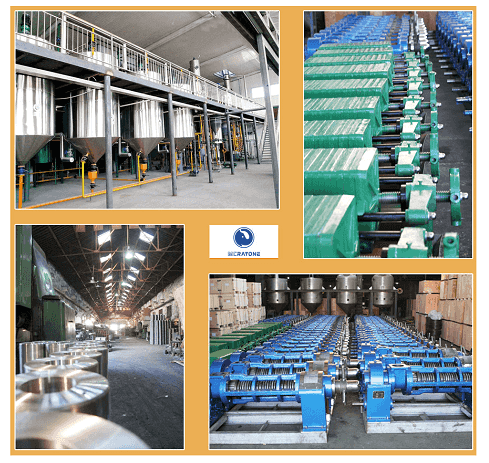
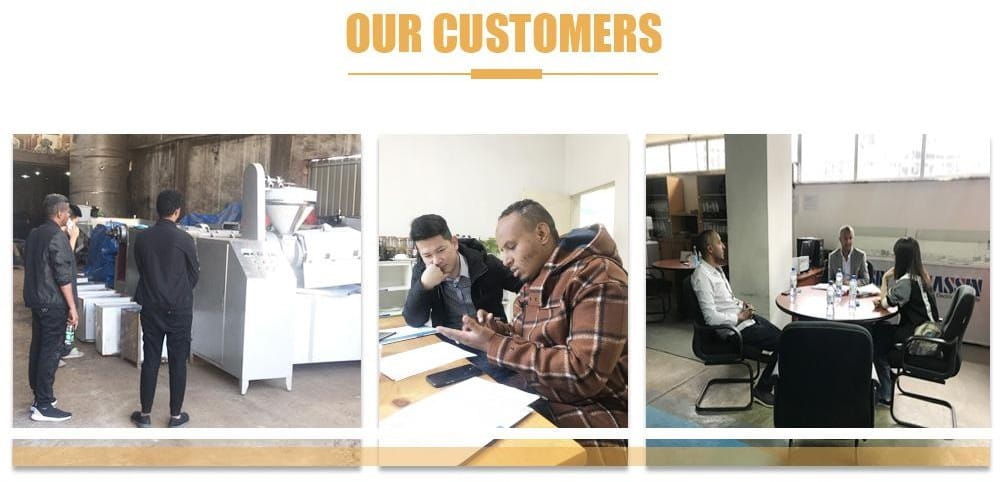
Ruian Every Machinery (MCRAYONE) is located in Zhejiang province, China. Our annual production capacity of oil press machines and related machines is around 10,000 sets. These machines have sold to all over the world, such as South Africa, Nigeria, America, India and so on. Thanks to our experience in the oil press industry (more than 40 years ), we know the demands and best-selling models of each market, so we can provide the most suitable machines to our customers.
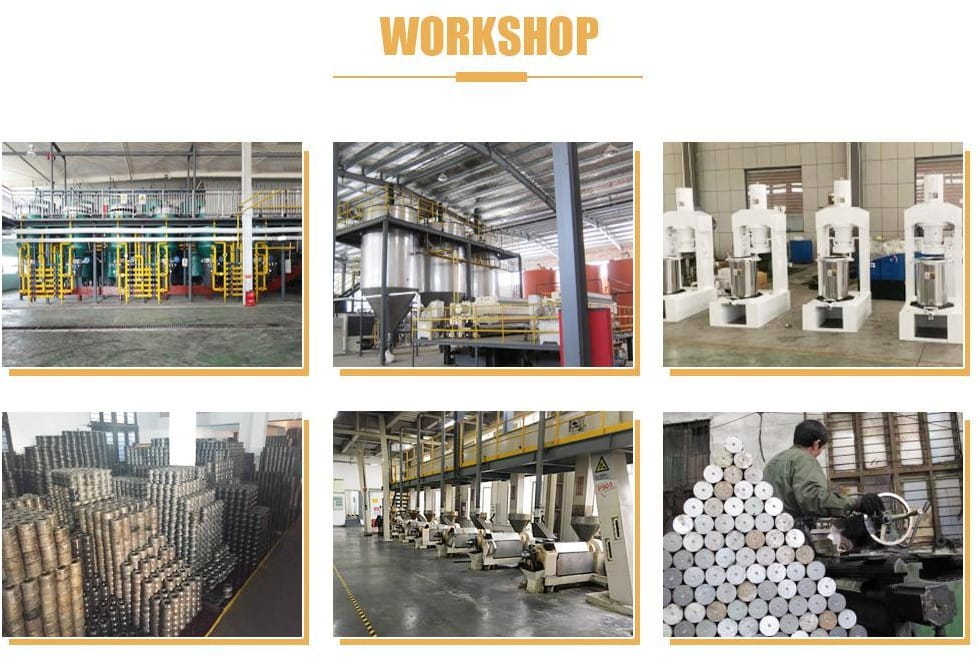
We have an experienced engineer team, a professional Research and Design department, and a perfect Quality Control System. All the parts are made by our own factory and the quality can be guaranteed. In addition, we provide a quality warranty for one year.
Our business involves in small-sized oil pressing series, oil engineering designing, equipment manufacturing and installing, project contracting, technical service and so on. Moreover, we have important partnerships with many large Chinese companies, such as China Oil and Food Import and Export Corporation. We are their designated foreign trade exporter and their supplier for small oil presses.
Our goal is to establish a long-term relationships with our customers, based on providing quality machines at a reasonable cost and maximize the customer returns with comprehensive service.
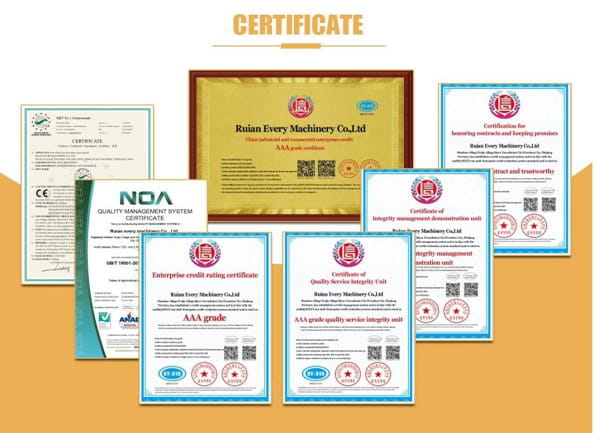
In the course of our company's decades of development, we have obtained multiple official certificates, such as :
Our company has grown into one of the leading oil press manufacturers in China, and our popularity has spread abroad. We welcoming all kinds of orders.