With the continuous upgrading of global health consumption, demand for premium functional edible oils featuring natural and additive-free attributes is growing rapidly. Rich in alpha-linolenic acid, vitamin E and unsaturated fatty acids, walnut oil is widely used in maternal and infant diets, health care and high-end catering, boasting remarkable market premium potential. Compared with the traditional high-temperature hot pressing process, cold-pressed walnut oil, which retains full nutrients, delivers pure taste and ensures safety, has become a mainstream product in the high-end edible oil segment.
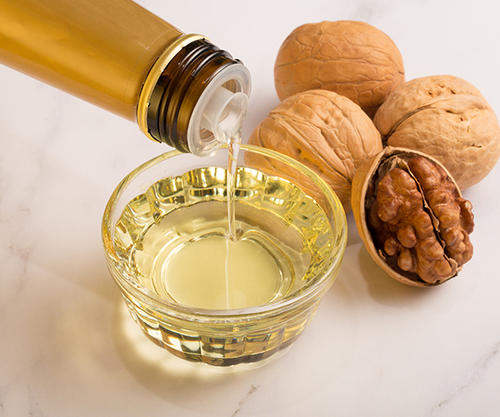
Vertical hydraulic oil presses are the top choice for premium cold-pressed walnut oil production. Hydraulic pressing extracts oil slowly via static high pressure, with the whole process running at low temperature without heat buildup, fully preserving natural nutrients. It serves as the core process for manufacturing high-quality cold-pressed walnut oil. The complete production process is standardized with controllable parameters, ideal for small and medium-sized premium walnut oil processing plants. Oil produced this way features clear texture, authentic natural walnut flavor and low residual oil rate in oil cakes.
|
Model |
Capacity |
Power |
Weight |
Size |
|
6YY-180D |
|
3KW |
|
1050*750*1900mm |
|
|
||||
|
6YY-250D |
75KG |
3KW |
1400-1550KG |
2050*1300*2300mm |
|
|
||||
|
6YY-280D |
100KG |
3KW |
2450-2550KG |
2050*1300*2550mm |
|
|
||||
|
6YY-320D |
100KG |
3KW |
2350-2750KG |
2050*1300*2550mm |
|
|
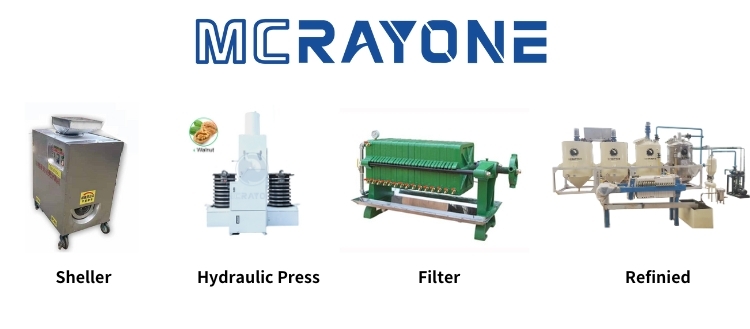
Production Line Process:
I. Raw Material Pretreatment Section
1.Raw material screening: Remove moldy, shrunken walnut kernels, stones and metal impurities.
2.Walnut shelling & separation: Separate hard shells from walnut kernels.
3.Seed coat removal: Strip bitter seed coats to prevent dark color and bitter taste of finished oil.
4.Low-temperature drying and conditioning: Air-dry under temperature ≤40°C, control kernel moisture at 5%–8%.
5.Light crushing: Slightly crush walnut kernels to expand oil extraction area under pressure.
II. Hydraulic Pressing Section (Core Process)
1. Material layering and wrapping: Spread kernels evenly into pressing barrels layer by layer with food-grade filter cloth.
2. Gradual slow pressure rise: Max pressure 50–56 MPa; apply pressure slowly to avoid local overheating.
3. Low-temperature constant-pressure pressing: Oil temperature kept below 60°C throughout the process; hold pressure for 70–90 minutes for slow oil seepage.
4. Cake unloading and crude oil collection: Take out oil cakes after pressing and collect crude walnut oil.
III. Crude Oil Purification Section
1.Natural standing sedimentation: Remove coarse residues and solid suspended particles
2.Multi-stage precise filtration: Eliminate fine powdery impurities to achieve initially clear oil
True low-temperature freshness locking: Unlike screw presses that generate heat from high-speed friction, the entire process maintains natural low temperatures for higher nutrient retention and purer oil flavor.
Premium oil quality: Crude oil contains minimal impurities with a light hue, eliminating the need for intensive refining and fully preserving the natural delicate aroma of walnuts.
High utilization rate of oil cakes: Oil cakes remain intact after static low-temperature pressing with undenatured protein, which can be further processed into high-end complementary food, protein powder and premium feed.
Low failure rate & easy maintenance: Hydraulic equipment features a stable structure and uniform pressure distribution. It is simple to operate with low component wear, suitable for long-term stable production of premium oil products.
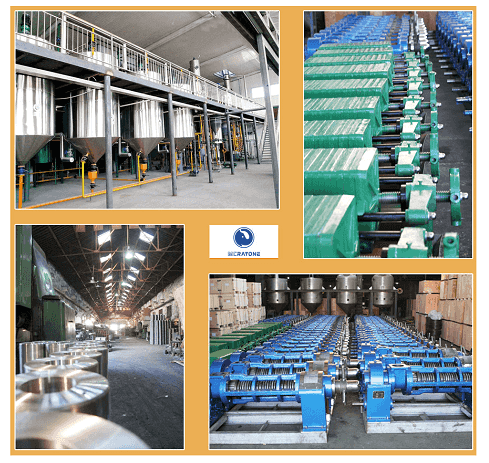
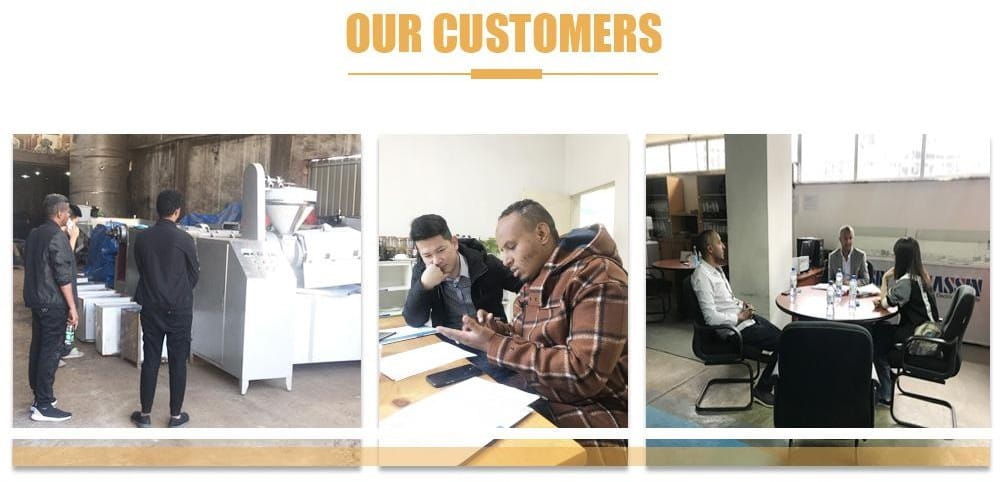
Ruian Every Machinery (MCRAYONE) is located in Zhejiang province, China. Our annual production capacity of oil press machines and related machines is around 10,000 sets. These machines have sold to all over the world, such as South Africa, Nigeria, America, India and so on. Thanks to our experience in the oil press industry (more than 40 years ), we know the demands and best-selling models of each market, so we can provide the most suitable machines to our customers.
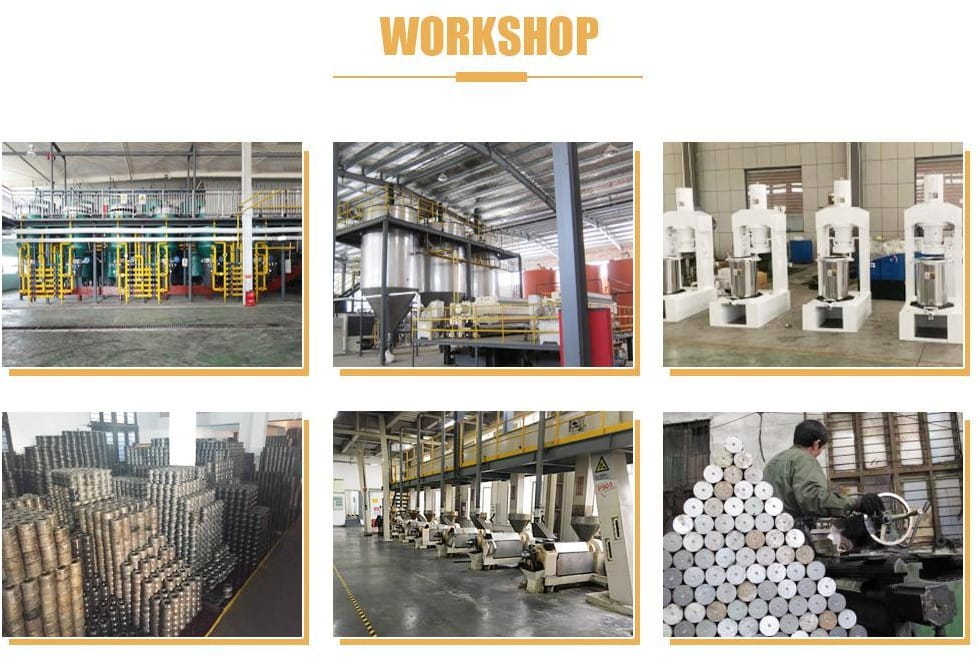
We have an experienced engineer team, a professional Research and Design department, and a perfect Quality Control System. All the parts are made by our own factory and the quality can be guaranteed. In addition, we provide a quality warranty for one year.
Our business involves in small-sized oil pressing series, oil engineering designing, equipment manufacturing and installing, project contracting, technical service and so on. Moreover, we have important partnerships with many large Chinese companies, such as China Oil and Food Import and Export Corporation. We are their designated foreign trade exporter and their supplier for small oil presses.
Our goal is to establish a long-term relationships with our customers, based on providing quality machines at a reasonable cost and maximize the customer returns with comprehensive service.
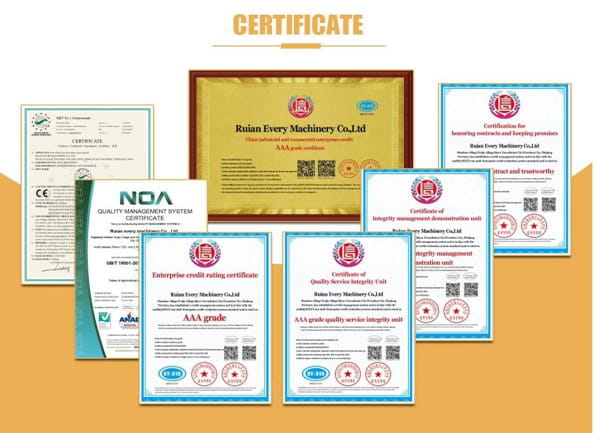
In the course of our company's decades of development, we have obtained multiple official certificates, such as :
Our company has grown into one of the leading oil press manufacturers in China, and our popularity has spread abroad. We welcoming all kinds of orders.