Datetime: 2026-04-01 08:06:15 Visit: 5341
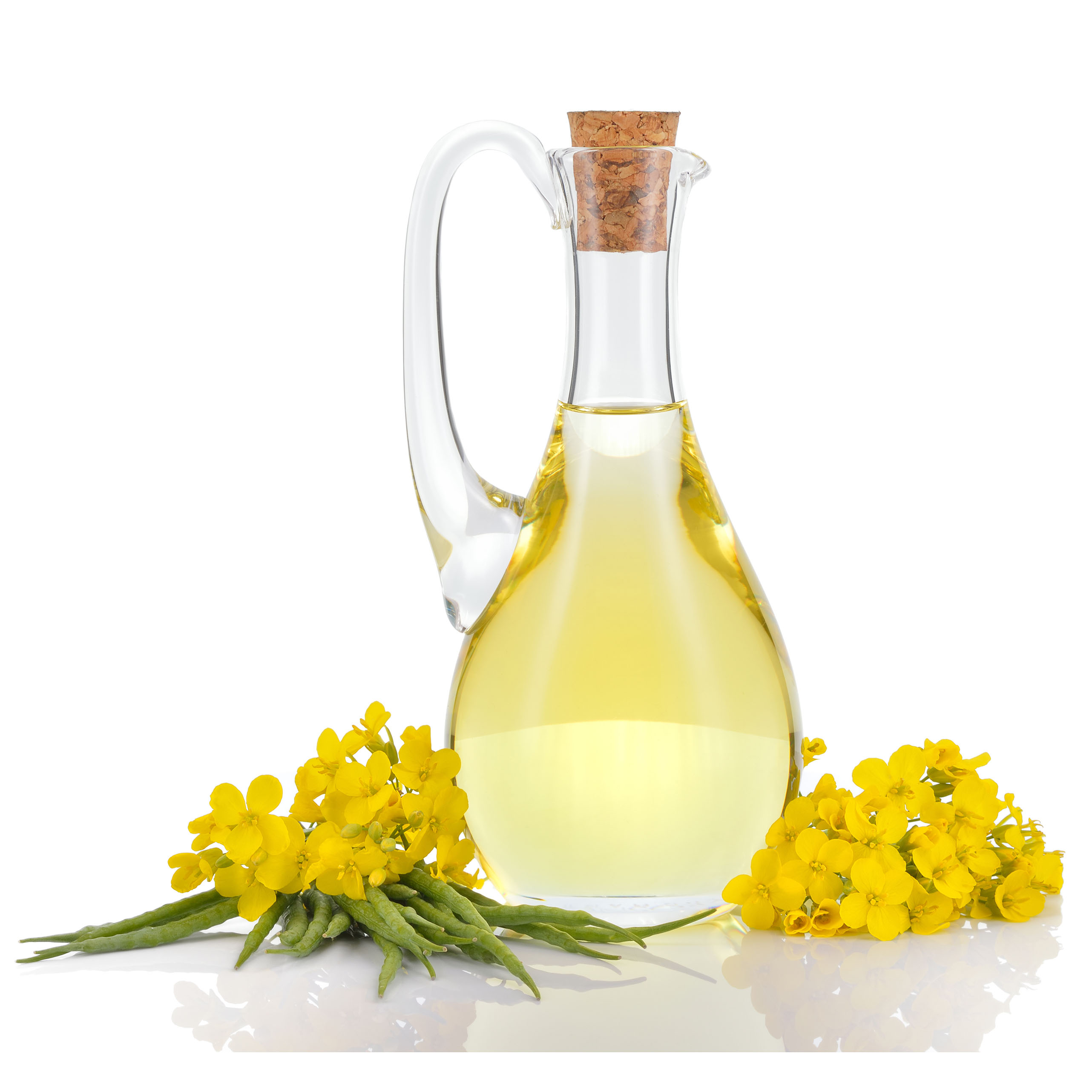
Learn about Rapeseed oil
Rapeseed, 37.5%-46.3% oil. Rapeseed contains a certain amount of erucic acid, which can affect the quality of canola oil. Rapeseed also contains a certain amount of rapeseed base, tannin and other chemicals, all of which have a certain degree of toxicity, so rapeseed cake needs to be de-toxified before it can be used as feed. High erucic acid rapeseed oil is not as nutritious as low erucic acid rapeseed oil, but it is especially suitable for making ship lubricants and tires and other industrial oils.
Basic process:
1.Pre-treatment process.Rapeseed may be mixed with impurities such as sand, gravel. These impurities, if not effectively treated, will not only cause poor quality of the cake meal but also lead to lower quality of the oil. In addition, if the oil contains sand and gravel will also cause damage to the oil extraction equipment.
2.Steamer. Raw rapeseed is heat-treated and then sent to the pressing equipment called hot pressing, which can improve the oil yield.
3.Pressing. The shape of rapeseed is different from other oilseeds. So in the process of pressing the requirements of the pressing worms and the press chamber are different from others.
Refining process of rapeseed oil:
1.Dephosphorization. The gelatinous impurities in the crude oil are mainly phosphorus. The presence of phospholipids and other gelatinous substances will reduce the quality of the oil, so they should be removed first.
2.Deacidification. Deacidification operation is one of the important factors that directly affect the oil refining rate and quality.
3.Decolorization. The color of the oil has to be decolorized to reach the product quality standard. At the same time to provide more favorable conditions for deodorization.
4.Deodorization. The purpose of oil deodorization is to remove the odor-causing substances in the oil, and other substances that are easy to volatilize, improve the odor and color of the oil, and improve the stability of the oil.