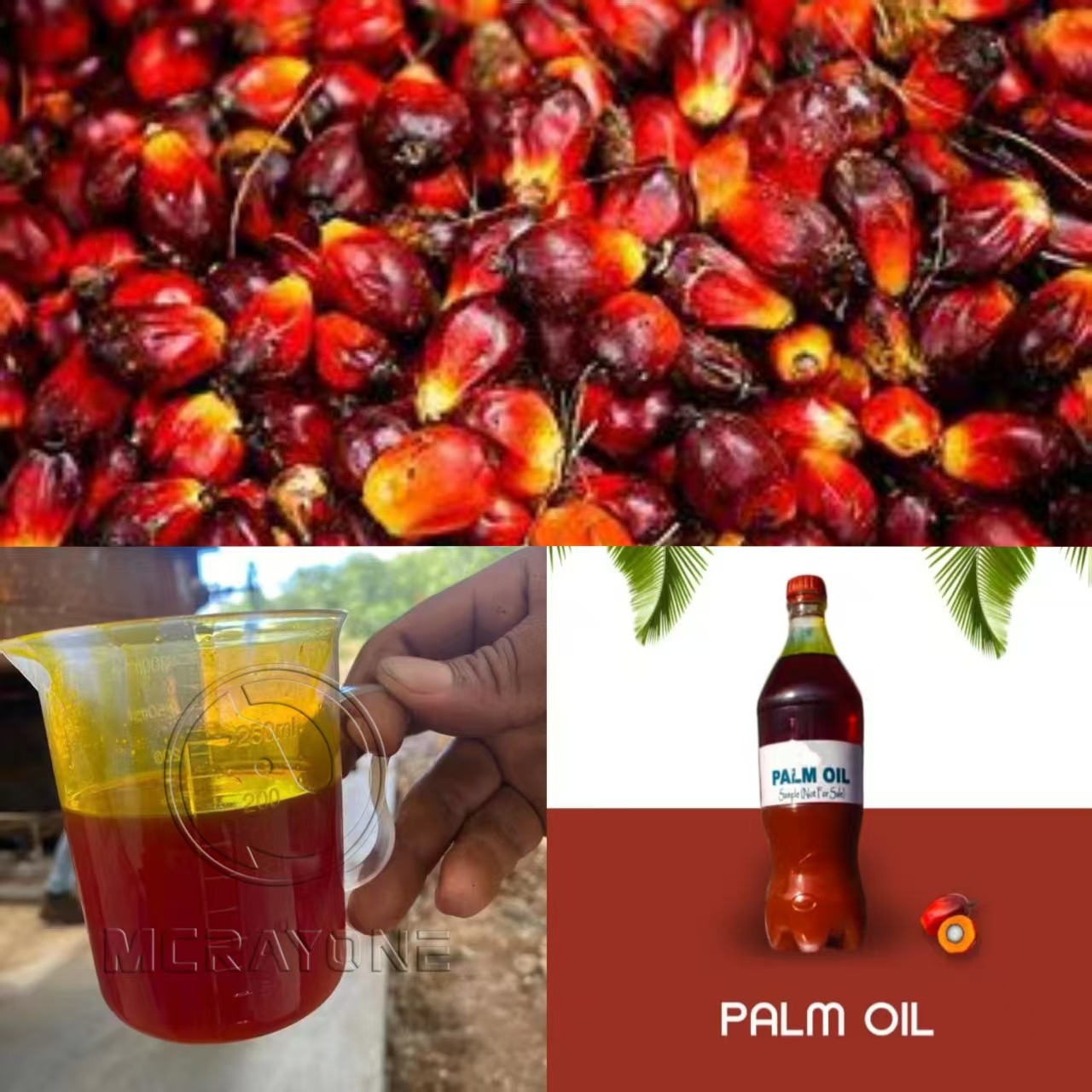
Palm oil is extracted from the fruit of the oil palm tree. The production process involves multiple steps, from fruit harvesting to final refining, and each step significantly impacts the quality and yield of the oil. The following is a detailed description of the palm oil production process:
1.Pretreatment
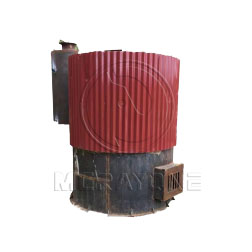
(1)Steaming and Sterilization
The palm fruit is sterilized, enzymes are inactivated, and the stalk is softened in a sterilizing tank. This facilitates the subsequent decomposition of the oil during palm fruit processing, and sterilization and enzyme inactivation processes ensure the quality of the resulting oil.
(2)Deburring
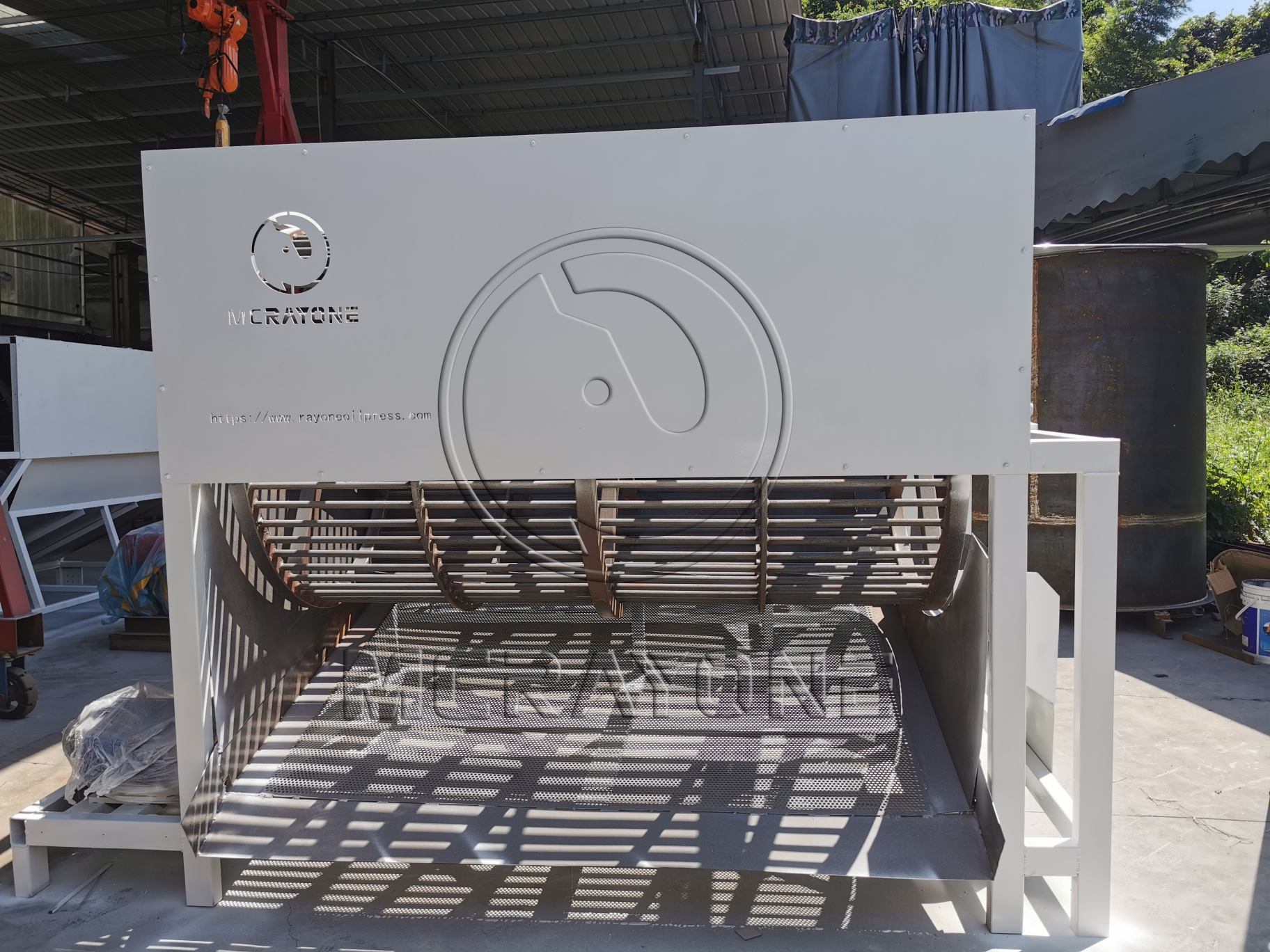
A deburring machine feeds the fruit clusters into a rotating drum. The friction between the drum and a fixed baffle causes the fruit to detach from the stalk and be discharged from the other end.
(3) Crushing and Kneading
A crusher is used to break the seeds into granules, while kneading separates the pulp from the seeds. The crushed granules are uniform in size. Too large a granule prevents the oil from fully leaching during pressing, while too small a granule can easily clog the screen.
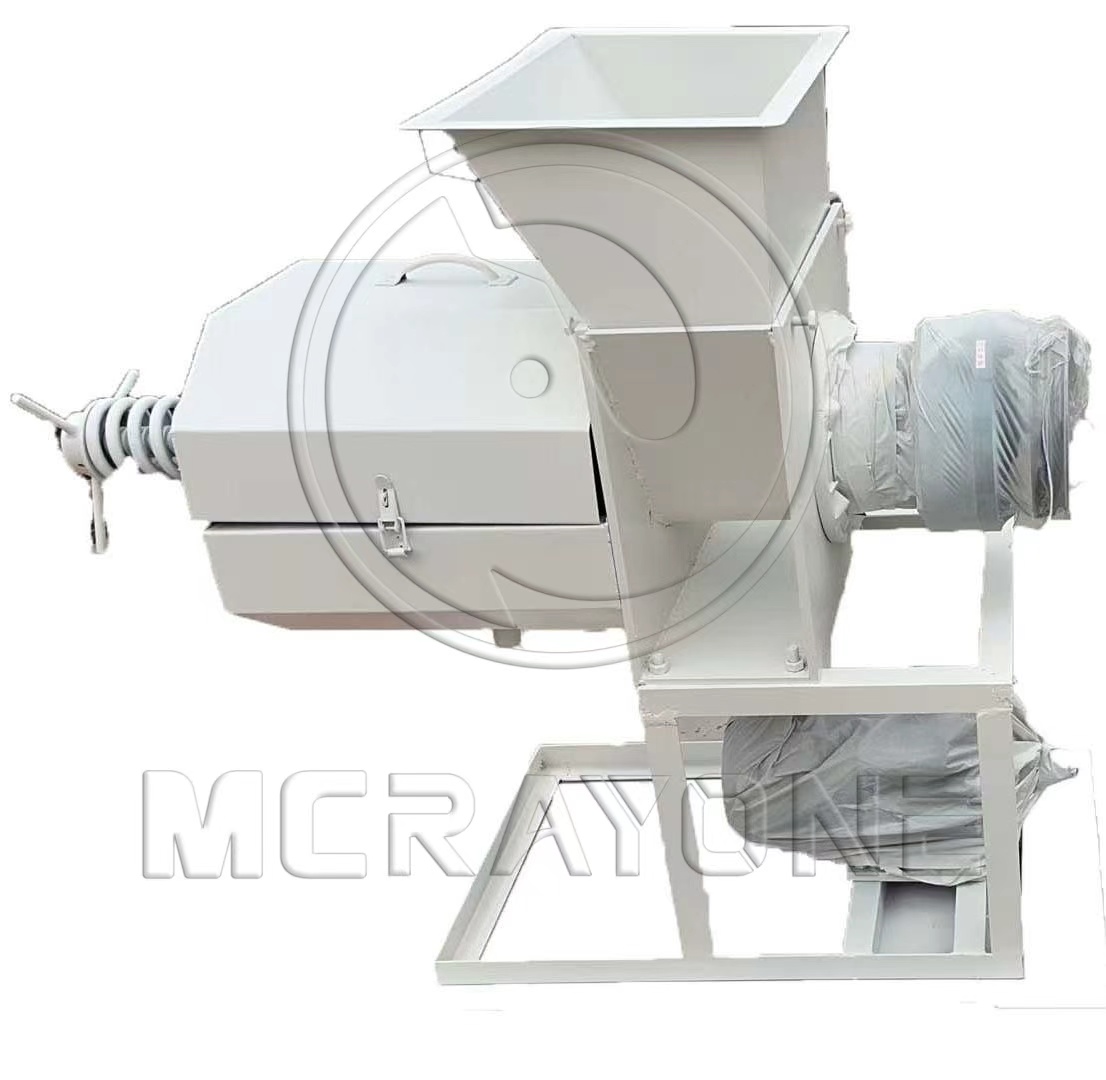
2.Pressing
The palm oil is extracted using a palm oil press. The palm pulp particles are pushed forward by a screw, subjecting them to increasing pressure. The oil is squeezed out, and the residue is discharged at the end.

3.Filtration
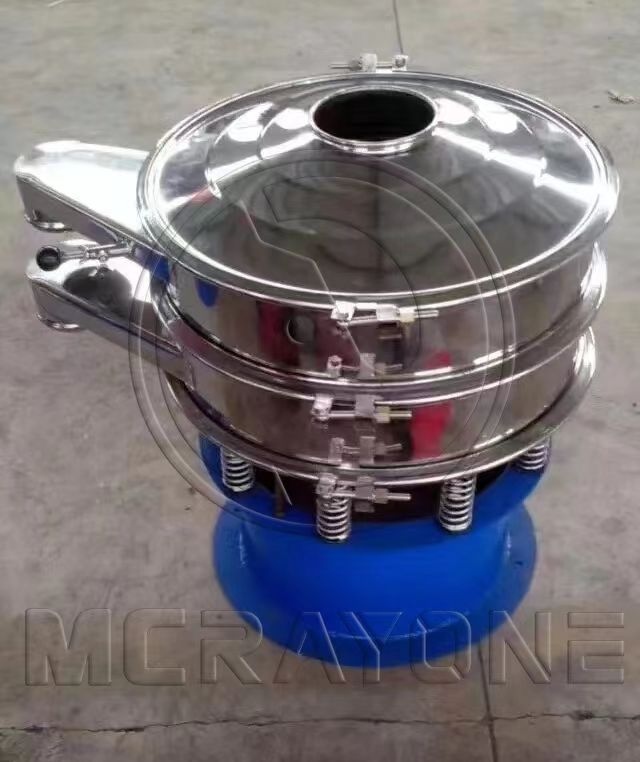
The freshly pressed crude palm oil (CPO) is screened to remove large impurities such as pulp fibers and shell fragments.
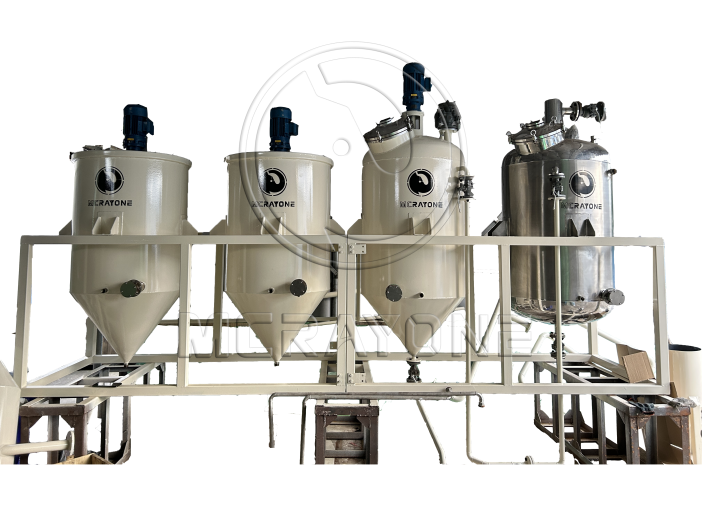
4.Refining
Crude palm oil (orange-red with a slight fruity aroma) requires refining to meet high-end consumer and industrial needs. After filtration, safflower oil passes through refining equipment for dephosphorization, deacidification, dehydration, decolorization, and deodorization.