The Nigella sativa seed oil extraction production line is adapted to the market demands of health food, high-end skin care, and pharmaceutical raw materials. Its core is to maximize the retention of active ingredients such as thymol, unsaturated fatty acids, and vitamin E, while achieving large-scale and standardized production.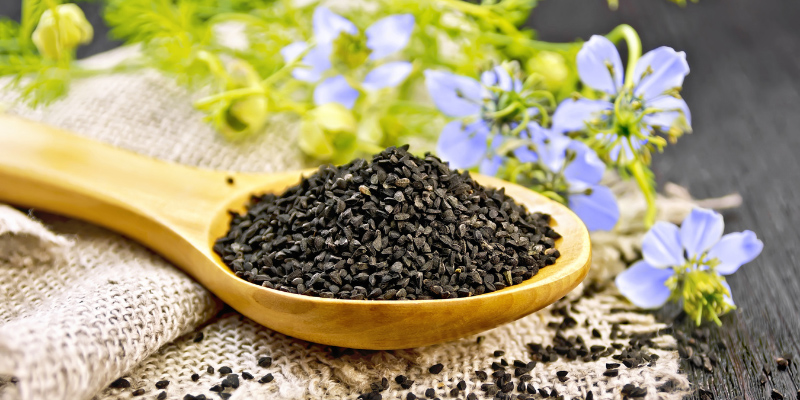
Characteristics and Oil Extraction Value of Nigella sativa seed Raw Material
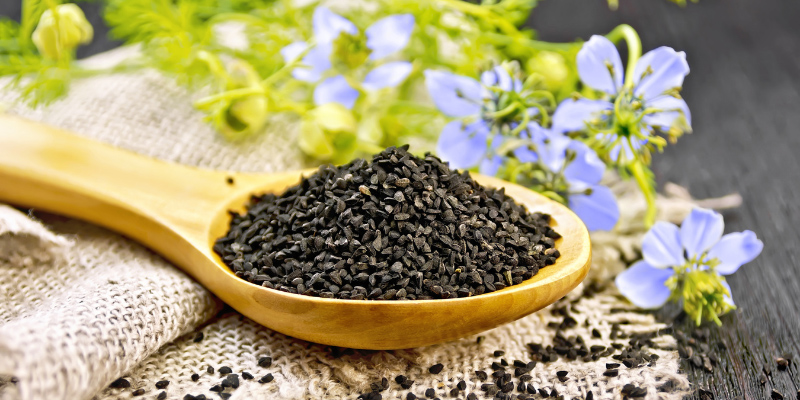
Nigella sativa seeds contain 30%–38% oil, with thymoquinone as the core active ingredient. Thymoquinone has anti-inflammatory, antioxidant, immune-regulating, and skin-repairing effects, making it a core raw material for high-end natural oils.
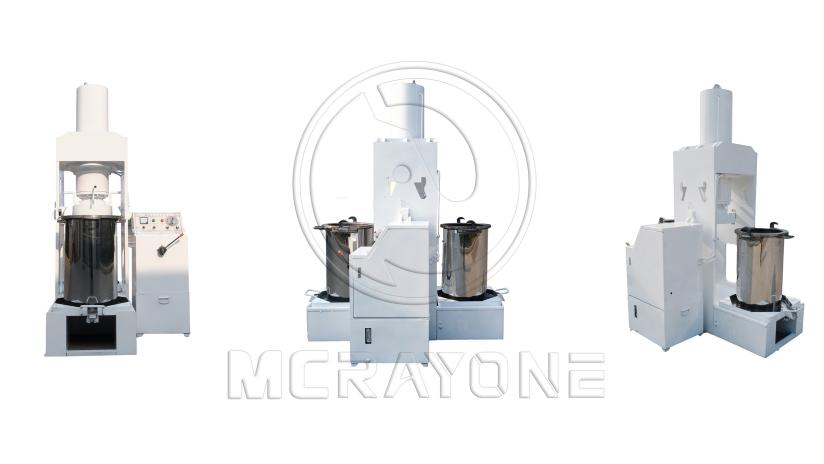
Cold pressing advantages: Low-temperature pressing at 35–45℃ fully preserves thymoquinoneand polyunsaturated fatty acids (linoleic acid, linolenic acid), resulting in oils with light color, pure flavor, and high activity, suitable for high-end edible, skincare, and pharmaceutical products.。
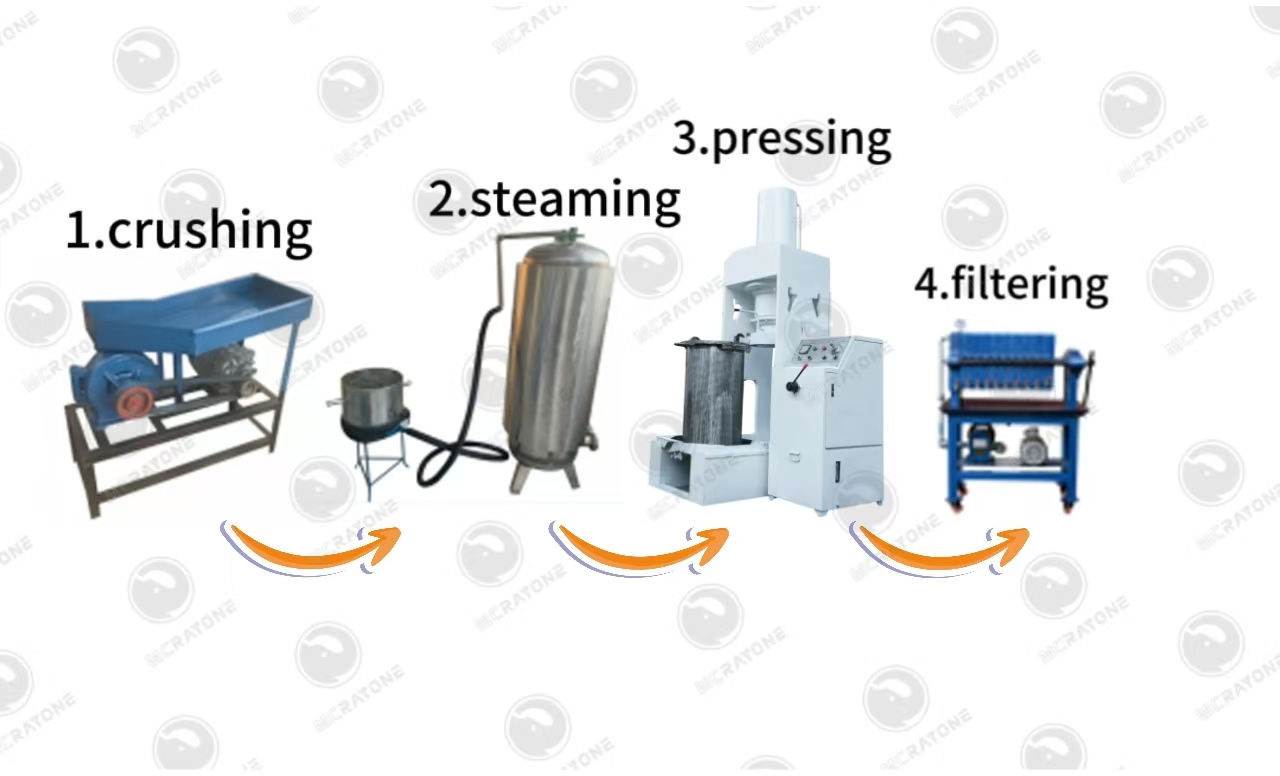
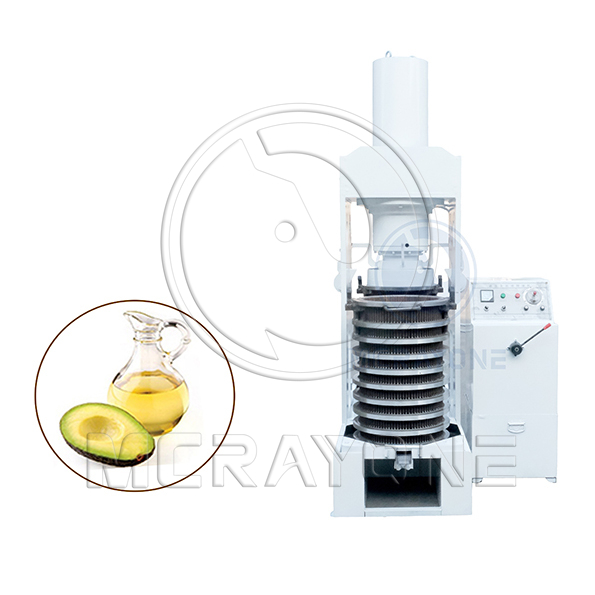
Core pressing stages: Cleaning and screening (removing stones, metal, dust, shriveled seeds, and impurities to avoid damaging the screw press and clogging the oil passages, ensuring the stability of subsequent pressing) -- Crushing/cooking (preserving cell integrity, only increasing surface area to facilitate subsequent low-temperature oil extraction, avoiding high-temperature pulverization that leads to loss of activity) -- Hydraulic pressing (low-temperature cold pressing to retain nutrients in the oil) -- Filtration (filtering out impurities from the oil, making it cleaner)
Advantages of hot pressing: Steaming and roasting at 100–120℃ followed by pressing increases oil yield by 5%–8% (6%–8% residual oil in the dried cake), resulting in a richer flavor suitable for both consumer and industrial use, while also reducing costs.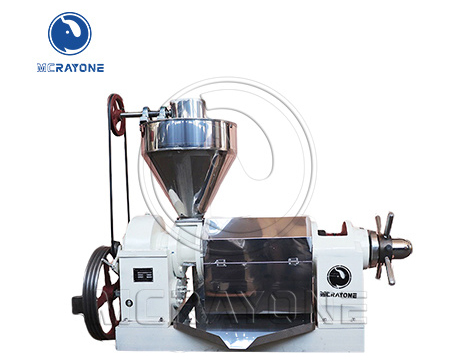
Core pressing stages:Cleaning and screening (removing stones, metal, dust, shriveled seeds, and impurities to avoid damaging the screw press and clogging the oil passages, ensuring the stability of subsequent pressing)--Roasting (adjusts moisture content, breaks down cell walls, concentrates oil, and increases oil yield) -- Screw press (higher oil yield and faster production efficiency, but some heat-sensitive components such as thymol are lost; suitable for mass-market consumer oils) -- Filtration(filtering out impurities from the oil, making it cleaner)
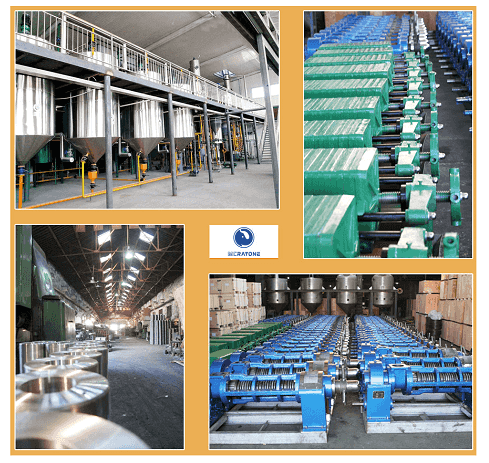
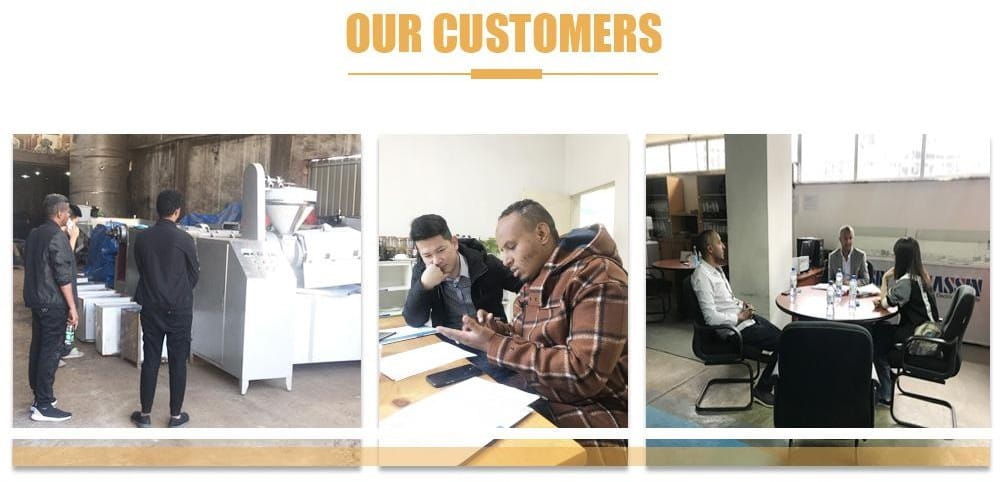
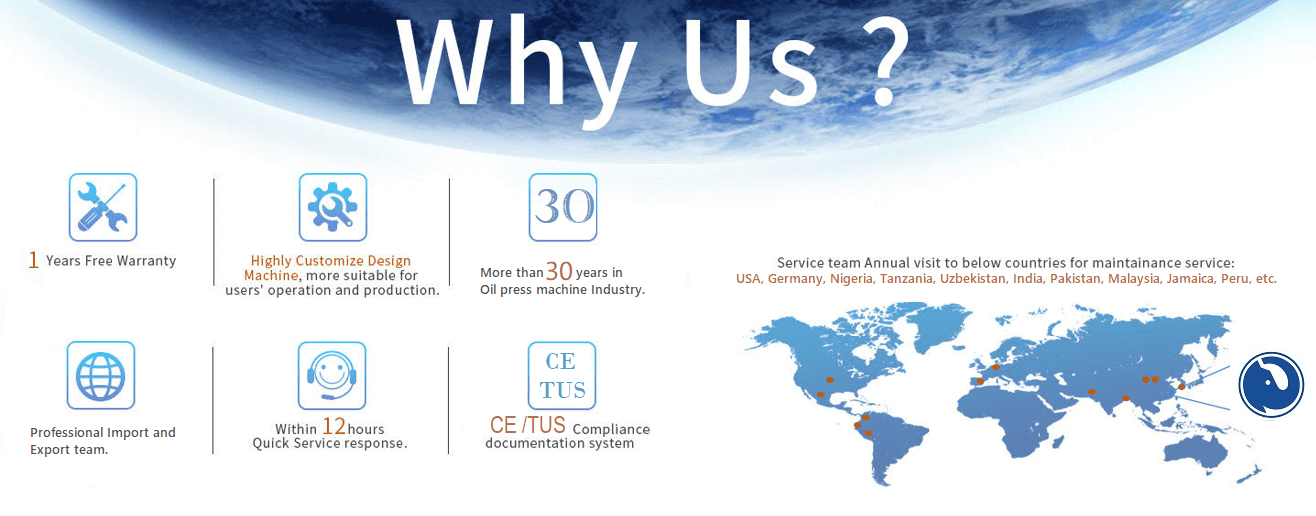
Ruian Every Machinery (MCRAYONE) is located in Zhejiang province, China. Our annual production capacity of oil press machines and related machines is around 10,000 sets. These machines have sold to all over the world, such as South Africa, Nigeria, America, India and so on. Thanks to our experience in the oil press industry (more than 40 years ), we know the demands and best-selling models of each market, so we can provide the most suitable machines to our customers.
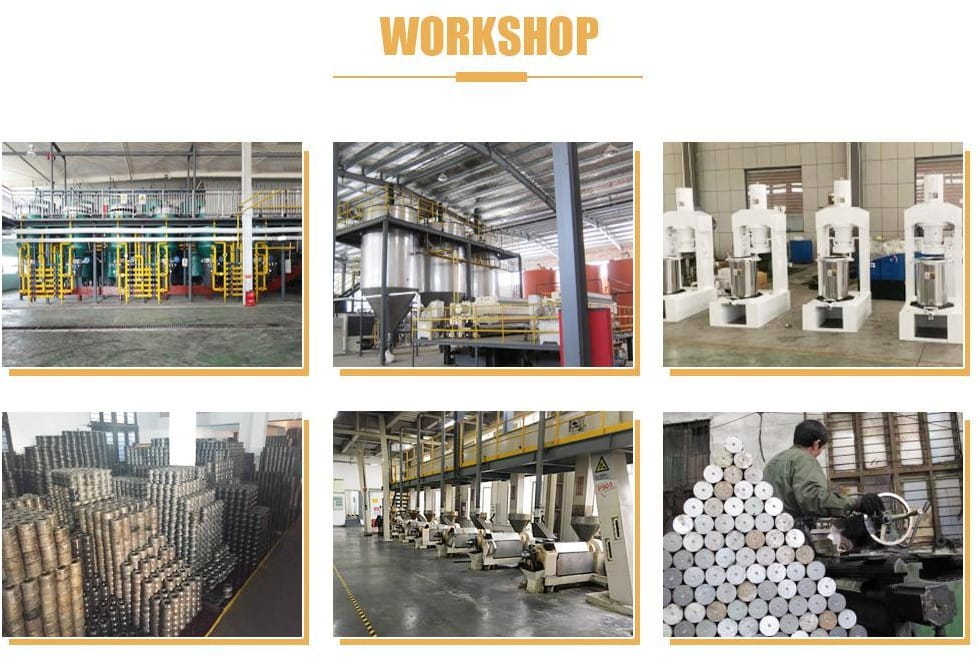
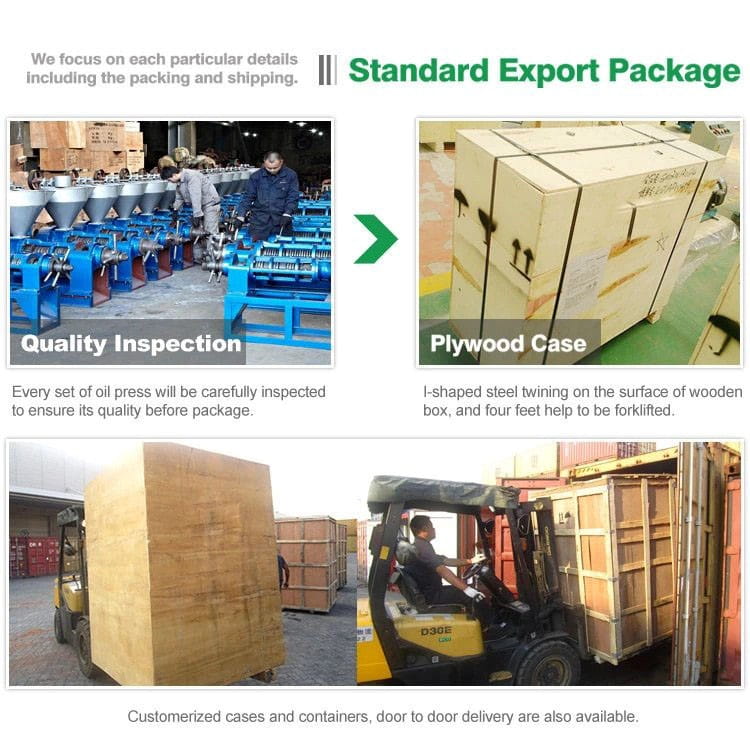
We have an experienced engineer team, a professional Research and Design department, and a perfect Quality Control System. All the parts are made by our own factory and the quality can be guaranteed. In addition, we provide a quality warranty for one year.
Our business involves in small-sized oil pressing series, oil engineering designing, equipment manufacturing and installing, project contracting, technical service and so on. Moreover, we have important partnerships with many large Chinese companies, such as China Oil and Food Import and Export Corporation. We are their designated foreign trade exporter and their supplier for small oil presses.
Our goal is to establish a long-term relationships with our customers, based on providing quality machines at a reasonable cost and maximize the customer returns with comprehensive service.
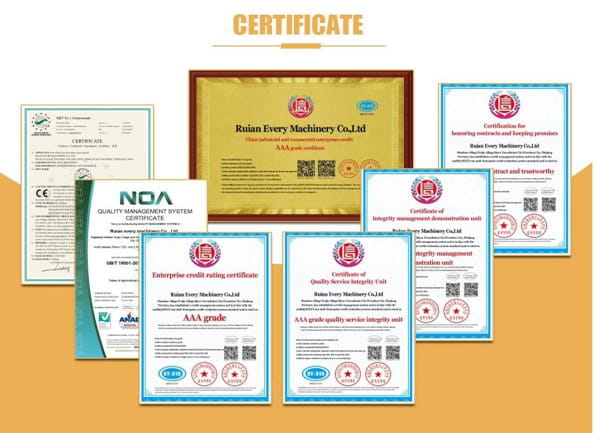
In the course of our company's decades of development, we have obtained multiple official certificates, such as :
Our company has grown into one of the leading oil press manufacturers in China, and our popularity has spread abroad. We welcoming all kinds of orders.